Introduction
Glucose is an important source of energy for the human body, and understanding how glucose levels change throughout the day can help people learn more about their body’s responses to food, physical activity, sleep, and everyday routines. Traditionally, glucose has often been measured using a finger-prick blood test. Continuous glucose monitoring offers another approach by tracking glucose-related information throughout the day and night through a wearable sensor.
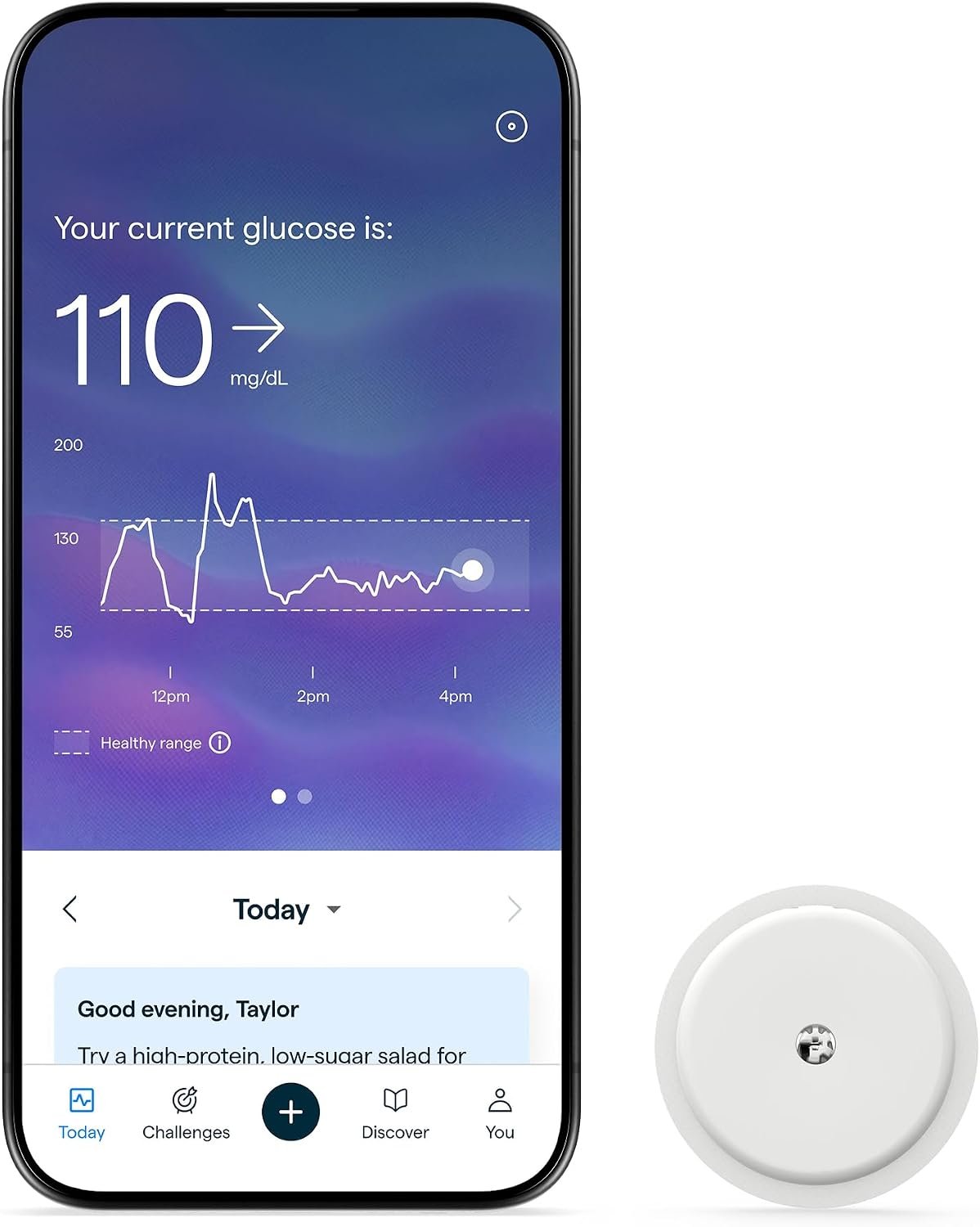
The Lingo Continuous Glucose Monitor (CGM), described as a system for 24/7 glucose tracking, is designed to help users explore glucose patterns over time. Rather than providing only a single measurement, a continuous glucose monitoring system can collect readings at regular intervals and present trends through a compatible digital interface. This may help users observe how their glucose levels change in connection with daily habits.
Interest in continuous glucose monitoring has expanded beyond traditional diabetes management. Some adults are interested in learning more about metabolic health, understanding personal responses to meals, or exploring how lifestyle routines relate to glucose patterns. However, the intended users, approved purpose, and recommended interpretation of a particular device matter. A glucose-monitoring product should not automatically be considered suitable for every person or every health goal.
The Lingo system is associated with wearable glucose-sensing technology and a digital experience for viewing glucose information. Its exact availability, sensor specifications, compatibility requirements, and permitted uses should be confirmed through the current product listing and official manufacturer information. These details can change, and the product title alone does not establish every technical or regulatory specification.
This guide explains how continuous glucose monitoring works, the general features associated with the Lingo CGM, how glucose data may be used in everyday routines, and what prospective users should consider before choosing a wearable glucose sensor. It also discusses important limitations, including the difference between tracking glucose trends and diagnosing or treating a medical condition.
Understanding Continuous Glucose Monitoring
A continuous glucose monitor is a system that measures glucose-related information using a small sensor worn on the body. Many CGM systems use a sensor placed just beneath the skin to estimate glucose levels in the interstitial fluid, which surrounds cells. This is different from measuring glucose directly in a drop of blood.
Because glucose moves between the bloodstream and interstitial fluid, readings from a CGM may not match a finger-prick blood glucose measurement at every moment. A difference can be particularly noticeable when glucose levels are changing quickly, such as after eating or during exercise.
CGM systems collect measurements over time and use them to create a picture of glucose patterns. Depending on the system, information may be displayed through a smartphone application or another compatible reader. Users may be able to review current readings, graphs, and changes over time, subject to the product’s specific functions.
The phrase “24/7 glucose tracking” describes the general purpose of continuous monitoring. It should not be interpreted as a guarantee that a sensor will work without interruption under every condition. Sensor wear periods, data transmission, phone compatibility, connection requirements, and other limitations depend on the particular system.
A CGM is also not a complete measure of overall health. Glucose patterns are only one part of a much broader picture that can include medical history, nutrition, physical activity, sleep, medications, and other factors. Interpreting glucose data without context can lead to inaccurate conclusions.
Key Features of the Lingo Continuous Glucose Monitor
The following sections describe the main characteristics of continuous glucose monitoring and considerations relevant to a product such as Lingo. Exact specifications for the Lingo system should be checked against the current Amazon listing and official manufacturer documentation.
1. Continuous Glucose Tracking
The central purpose of a continuous glucose monitor is to provide repeated glucose-related measurements over a period of time.
A traditional finger-prick test gives information about glucose at the moment the sample is taken. A CGM can provide a sequence of readings, helping users observe how glucose changes rather than relying on isolated measurements.
This time-based information may be useful for identifying broad patterns. For example, a user might notice that readings tend to change after a particular meal or during a certain part of the day. However, a pattern observed on one occasion does not necessarily establish a consistent response.
The Lingo product is marketed around continuous glucose tracking, but prospective users should confirm the current sensor duration, measurement frequency, and any requirements for data synchronization. These are product-specific details and should not be inferred from the general term CGM.
2. A Wearable Sensor
Wearable sensing is one of the defining characteristics of continuous glucose monitoring. Instead of requiring a user to take a separate finger-prick measurement every time they want a reading, the sensor collects glucose-related data while it is worn.
Many CGM sensors use a small component placed under the skin, with an external portion attached to the body. The design, placement location, application method, and sensor duration differ among products.
For the Lingo system, check the manufacturer’s instructions for the approved placement area, application procedure, wear period, and skin-care recommendations. Do not assume that all CGMs use the same sensor design or placement requirements.
The sensor should be applied and removed according to the instructions provided with the specific product. If the application process causes unexpected pain, significant irritation, or another concerning reaction, users should follow the manufacturer’s guidance and seek appropriate medical advice when necessary.
3. Digital Glucose Information
Continuous glucose monitoring is often paired with a digital interface that organizes sensor readings into a format users can understand.
Depending on the product, the interface may display a current glucose estimate, a graph showing changes over time, or summaries of patterns. Some systems also provide contextual information or educational guidance, although the exact functions vary.
A digital interface can make a stream of measurements easier to explore. Rather than looking at individual values in isolation, users may be able to review how readings change throughout the day.
Check the official Lingo documentation to establish which application features are included, whether a compatible smartphone is required, and which operating systems and phone models are supported.
It is also important to understand that an application can organize information without explaining every possible cause of a glucose change. A graph may show that glucose increased after a meal, but it cannot necessarily determine why that happened or whether the response is medically significant.
4. Tracking Patterns Over Time
A major distinction between continuous monitoring and occasional testing is the ability to examine trends.
For example, glucose readings may change at different times of day, after different meals, or around periods of physical activity. Observing these changes over several days may help a user develop questions about their routine.
However, glucose responses are influenced by multiple variables. Meal composition, portion size, recent activity, stress, sleep, illness, medications, and individual physiology can all affect glucose-related measurements.
For this reason, tracking patterns is generally more informative when users avoid drawing conclusions from a single reading or isolated event. A repeated observation may be worth discussing with a qualified healthcare professional, particularly if it raises concerns about health.
The Lingo system’s specific reporting and trend-analysis features should be confirmed through the current product information.
5. Potential Integration With Everyday Routines
A wearable glucose sensor may appeal to adults who want to explore how their daily routines relate to glucose patterns.
Someone might be interested in comparing the timing of meals, noting when physical activity occurs, or observing whether a change in schedule coincides with different readings. These observations can support general self-awareness, provided they are interpreted carefully.
The purpose should not be to treat every fluctuation as a problem. Glucose changes throughout the day are part of normal physiology, and a rise after eating is not automatically evidence of poor health.
A tracking system can provide information, but it does not replace a balanced approach to nutrition, physical activity, sleep, or professional healthcare when needed.
6. Sensor Wear and Practical Convenience
A wearable CGM can reduce the need to perform separate manual tests for every observation, depending on the device and its intended use. That may make it easier for some users to collect information across normal daily activities.
Practical convenience depends on sensor attachment, wear duration, comfort, application requirements, and the user’s routine. Some people may find a wearable sensor easy to incorporate into their day, while others may prefer less frequent monitoring.
The exact wear period and any limitations on bathing, swimming, exercise, or other activities should be confirmed through the Lingo manufacturer’s instructions. Do not assume that a sensor is waterproof or suitable for every activity unless the product documentation explicitly supports that use.
Users should also consider whether they are comfortable wearing a sensor and managing the associated application or data.
7. Educational Potential
Glucose data can be a starting point for learning about how the body responds to everyday conditions.
For instance, someone may use a monitoring period to explore whether meal timing, activity, or sleep patterns coincide with changes in glucose readings. A structured approach can help turn a collection of measurements into useful questions.
However, glucose monitoring should not be treated as a competition to achieve the lowest possible reading or as a reason to avoid entire food groups without medical guidance. The meaning of a reading depends on the individual and the context in which it was measured.
If the data raises concerns, a healthcare professional can help determine whether further evaluation is appropriate. A consumer-oriented monitoring system should not be assumed to provide a diagnosis simply because it generates detailed graphs.
How the Lingo CGM Can Be Used
The appropriate use of a continuous glucose monitor depends on its intended purpose, the user’s health circumstances, and the manufacturer’s instructions. The following examples describe general ways adults may explore glucose information, rather than guaranteeing that every function is available in the Lingo system.
1. Exploring Responses to Meals
Food is one factor that can influence glucose levels. After a meal containing carbohydrates, glucose often rises as the body digests food and absorbs glucose into the bloodstream.
A continuous monitor may help users observe the timing and general pattern of these changes. For example, someone might compare readings after meals eaten at different times or notice that meals with different compositions are associated with different glucose patterns.
These observations should be approached carefully. A single meal cannot establish a reliable personal response, and two meals may differ in portion size, preparation, activity before eating, or other factors.
Glucose response is also not a complete measure of whether a food is nutritious. Foods provide different combinations of fiber, protein, fats, vitamins, minerals, and other nutrients. A food should not automatically be considered unhealthy because a glucose rise follows it.
For balanced nutrition decisions, consider overall dietary quality and individual needs rather than focusing exclusively on one measurement.
2. Observing Physical Activity Patterns
Physical activity can influence how the body uses glucose. The direction and timing of changes depend on the type, intensity, and duration of exercise, as well as the individual’s physiology, recent meals, and other factors.
A user might observe glucose-related readings around a walk, cycling session, or other routine activity. Over time, this may help them understand that glucose patterns can change during and after movement.
However, CGM data should not be used as the sole guide for exercise safety. People with diabetes, those taking glucose-lowering medication, and individuals with a history of hypoglycemia may require specific monitoring and treatment instructions from their healthcare team.
If exercise is associated with symptoms such as shakiness, confusion, dizziness, or unusual weakness, stop the activity and follow appropriate medical guidance. A sensor reading should not override symptoms or established safety instructions.
For people without a diagnosed glucose-related condition, normal changes around activity should not automatically be interpreted as a problem.
3. Learning About Daily Timing
Glucose patterns may vary over the course of a day. Meal timing, sleep schedules, work routines, physical activity, and other factors can all contribute to variation.
A continuous monitoring period may help users notice when readings tend to change or whether similar patterns appear on different days.
For example, someone might record when meals occur and compare that information with the corresponding glucose graph. This can be more informative than attempting to remember what happened several hours earlier.
Even so, a graph cannot establish the cause of a change by itself. If a pattern seems unusual or concerning, a qualified healthcare professional can help determine whether it needs further investigation.
4. Considering Sleep and Overnight Patterns
Some users may be interested in observing glucose-related measurements during the night. Continuous monitoring can provide information across periods when a person is asleep, depending on sensor performance and the product’s features.
Nighttime readings can be affected by several factors, and sensor-related limitations may also influence the data. For example, pressure on a sensor during sleep can affect some CGM systems, although the exact behavior varies by product.
Do not assume that every overnight fluctuation indicates a medical problem. If readings appear repeatedly unusual, or if symptoms occur, discuss the information with an appropriate healthcare professional.
People who use CGMs for diabetes management should follow their prescribed monitoring plan and should not replace established clinical instructions with general consumer guidance.
5. Supporting General Lifestyle Reflection
A CGM can be one source of information for people interested in understanding their everyday routines. It may help them ask questions about how sleep, activity, meal timing, and other habits coincide with glucose patterns.
A useful approach is to observe trends without immediately changing several lifestyle factors at once. Making many changes simultaneously can make it difficult to understand what may have influenced a particular pattern.
It is also important to avoid rigid rules based on individual readings. A glucose graph is not a complete measure of metabolic health, and a single number does not determine whether a person’s overall lifestyle is healthy.
For significant changes to diet, exercise, or medication, appropriate professional advice may be needed, especially for people with existing medical conditions.
6. Discussing Patterns With a Healthcare Professional
If glucose data raises a concern, a healthcare professional can help determine whether it has clinical significance.
A user may choose to bring relevant readings, notes about symptoms, and information about meals or activity to an appointment. This context can be more useful than presenting an isolated graph without explanation.
The clinician may consider other factors, recommend a validated laboratory test, or determine that no further investigation is necessary. The appropriate next step depends on the individual’s circumstances.
A consumer-oriented CGM should not be used to diagnose diabetes or another medical condition unless the device has been specifically authorized for that purpose and is used according to its instructions.
Who May Find the Lingo CGM Relevant?
Adults Interested in Personal Health Data
Some adults enjoy learning about patterns in their daily routines and may be interested in adding glucose-related information to that picture.
A wearable monitor may provide another source of data to consider alongside sleep, activity, and nutrition. However, the information should be treated as one part of a broader understanding of health rather than as a definitive score.
Before using a CGM for general wellness purposes, confirm that the product’s intended use, availability, and requirements match your circumstances.
People Exploring Nutrition Habits
Adults who want to understand how meal timing and food composition relate to glucose patterns may find continuous data informative.
The important distinction is between observation and diagnosis. A glucose response can vary from day to day, and the size of a rise alone does not establish whether a meal is appropriate or whether a person has a medical condition.
A balanced dietary approach should consider the full nutritional value of food, personal preferences, health needs, and professional advice where appropriate.
People Interested in Activity and Routine Patterns
Individuals who track walking, exercise, or daily schedules may be interested in comparing those activities with glucose-related information.
Such comparisons can help identify questions worth exploring, but they do not necessarily reveal cause and effect. Changes may reflect several influences at once.
Anyone using glucose data to guide exercise or manage a diagnosed condition should follow appropriate clinical advice.
People Seeking Diabetes Management Tools
Continuous glucose monitors can be important tools for many people with diabetes, but suitability depends on the particular device and its approved indication.
A consumer-oriented product should not automatically be considered interchangeable with a medical CGM prescribed or recommended for diabetes management. Features, alerts, accuracy requirements, treatment guidance, and regulatory status can differ.
People with diabetes should confirm whether the Lingo system is appropriate for their specific needs with a healthcare professional. They should not replace a prescribed glucose-monitoring system or treatment plan without medical guidance.
People Who Prefer Wearable Technology
Some users are comfortable wearing health-related sensors and reviewing information through a smartphone application. Others may find the physical sensor, application requirements, or ongoing data collection inconvenient.
Comfort and willingness to use the system consistently are important practical considerations. A device is not useful simply because it collects detailed information; the user also needs to understand its limitations and decide whether the data supports a meaningful goal.
Who Should Seek Medical Guidance First?
People who are pregnant, have diabetes, take medication that can affect glucose, experience symptoms suggestive of low or high blood glucose, or have another relevant medical condition should seek appropriate professional guidance before relying on a consumer-oriented CGM.
The same applies to anyone considering substantial changes to medication, nutrition, or exercise based on sensor data.
A healthcare professional can help determine whether monitoring is appropriate, which measurements are needed, and how results should be interpreted.
Important Things to Consider Before Choosing the Lingo CGM
1. Confirm the Intended Use
Not every continuous glucose monitor is designed for the same purpose. Some are intended for diabetes management, while other products may be marketed for general wellness or personal insight.
The exact intended use and regulatory status of the Lingo system should be verified through official manufacturer documentation and relevant regulatory information.
Do not assume that a product intended for general wellness can replace a medical device used to guide treatment. Likewise, do not assume that every CGM feature is available to every user or in every country.
If you need glucose monitoring for a diagnosed condition, confirm the product’s suitability with your healthcare professional before making a change.
2. Understand Interstitial Glucose Readings
Many CGMs measure glucose in interstitial fluid rather than directly in blood. As a result, readings can differ from finger-prick measurements, especially during periods of rapid change.
This difference is not necessarily a sign that the sensor is malfunctioning, but it is important when interpreting results.
Follow the manufacturer’s instructions regarding unexpected readings, symptoms, and when another measurement may be required. If a reading does not match how you feel, or if the device indicates a problem, follow the safety guidance supplied with the product.
Do not rely on a consumer sensor alone to make urgent medical decisions.
3. Review Accuracy and Limitations
No measurement system is perfectly accurate under every condition. CGM performance can vary with sensor placement, wear conditions, signal quality, and other factors.
Check the current Lingo documentation for the manufacturer’s stated performance information, limitations, and instructions for handling questionable readings.
Avoid interpreting a single unusual value as definitive evidence of a health problem. If repeated readings appear abnormal, seek professional advice rather than attempting to diagnose the cause independently.
4. Check Sensor Wear Duration and Replacement Requirements
Wearable glucose sensors have a specified wear period. The duration and replacement procedure vary by product.
Before choosing the Lingo system, verify how long each sensor is intended to be worn, whether replacement sensors are required, and how the application and removal process works.
The practical implications may include planning sensor changes around travel, work, exercise, or other routines. Users should not extend the sensor’s use beyond the manufacturer’s instructions.
Also check whether the product listing refers to one sensor or a package containing multiple sensors. Confirm the actual package contents rather than relying on the product title alone.
5. Confirm Smartphone Compatibility
Some CGM systems rely on a compatible smartphone and application to display or synchronize readings.
Check the current Lingo requirements for supported phone models, operating-system versions, Bluetooth or other connection requirements, and application availability in your region.
An older phone may not support the required software, and application functions can vary by country or product version.
If the monitoring experience depends on a smartphone, make sure your device meets the stated requirements before choosing the system.
6. Consider Skin Sensitivity and Adhesive Comfort
Wearable sensors are attached to the skin, often with an adhesive. Some users may experience irritation, itching, redness, or discomfort.
Review the manufacturer’s skin-preparation and removal instructions. Do not apply the sensor to damaged or irritated skin unless the product instructions or a healthcare professional indicate that doing so is appropriate.
If significant irritation develops, follow the manufacturer’s guidance and seek medical advice when necessary. Anyone with a history of adhesive sensitivity may wish to discuss the suitability of a wearable sensor before use.
7. Check Activity and Water-Exposure Limits
Daily activities such as exercise, showering, swimming, and sweating can affect wearable devices differently.
The exact water-resistance rating and activity restrictions for the Lingo sensor should be confirmed through its official documentation. Do not assume that a sensor is suitable for swimming or prolonged water exposure simply because it is wearable.
Follow instructions about protecting the sensor during activity and replacing it if it becomes detached or damaged.
8. Protect Personal Health Information
Glucose data is personal information. Depending on the system, readings may be stored in an application, synchronized with online services, or shared through specific features.
Review the manufacturer’s privacy policy to understand what information is collected, how it is stored, whether it is shared, and which account settings are available.
Use a secure account and keep your phone’s software updated. If the application supports data sharing, check which people or services can access the information.
The ability to collect health-related data makes privacy an important consideration, especially when a product is used over an extended period.
9. Understand That Glucose Is Only One Health Indicator
Glucose patterns can provide useful information, but they do not independently establish overall health, fitness, or metabolic status.
A person can have glucose readings within a particular range and still have other health concerns. Conversely, ordinary fluctuations after eating or exercising do not automatically indicate a problem.
Nutrition, sleep, activity, blood pressure, cholesterol, medical history, and other factors may also matter, depending on the individual’s circumstances.
Avoid using a CGM reading as the sole basis for judging a food, setting a restrictive diet, or making major health decisions.
10. Avoid Making Medication Changes Based on Consumer Data
Medication decisions should be made with an appropriate healthcare professional. A consumer-oriented CGM should not be used independently to start, stop, or change a prescribed medicine.
This is particularly important for medicines that affect glucose levels, where incorrect decisions can lead to serious consequences.
If the readings raise questions about a current treatment plan, discuss the data with the prescribing clinician. Follow existing medical instructions until you receive appropriate guidance.
11. Verify Current Product and Regional Availability
Product availability, supported features, software requirements, and permitted uses can differ across countries and change over time.
Review the current Amazon listing and official Lingo information for the specific version being offered. Confirm that the product can be used in your region and that any required application or support service is available.
If you are buying from a marketplace listing, pay attention to the exact product version and package contents. Do not assume that every listing offers the same configuration.
Comparing General Categories of Glucose Monitoring
Glucose-monitoring tools vary in how they collect readings, how often measurements are available, and what they are designed to support.
Finger-Prick Blood Glucose Meters
A traditional blood glucose meter measures glucose using a small blood sample, commonly collected from a fingertip. The user places the sample on a test strip and receives a measurement.
This approach provides a reading at a specific moment rather than a continuous stream of information. It may be appropriate for people who need occasional measurements or who follow a clinician-directed testing plan.
Its advantages include a direct measurement of blood glucose and the ability to test when needed, subject to the meter’s instructions. However, it requires a separate test for each measurement and may not show what happened between tests.
A finger-prick meter and a CGM serve different roles. The appropriate choice depends on medical needs, the intended use of the device, and professional guidance.
Continuous Glucose Monitors
CGMs use a wearable sensor to estimate glucose levels repeatedly over time. Depending on the system, the data may be transmitted to a smartphone or reader and presented as readings or graphs.
This can provide more information about trends than isolated measurements. However, readings may lag behind blood glucose during rapid changes, and sensor performance has specific limitations.
CGMs differ in their intended users, wear duration, alerts, data-sharing functions, and regulatory status. A product designed for general wellness should not automatically be treated as equivalent to a medical CGM intended for diabetes management.
Laboratory Blood Tests
Laboratory tests can measure different aspects of glucose regulation. For example, fasting plasma glucose and the A1C test are commonly used in evaluating diabetes and related conditions when ordered and interpreted appropriately.
These tests serve a different purpose from continuous consumer monitoring. A CGM may show changes over a relatively short period, whereas certain laboratory tests provide standardized information relevant to clinical assessment.
A wearable sensor should not be assumed to replace laboratory testing or a medical evaluation. If you are concerned about diabetes or another glucose-related condition, consult a qualified healthcare professional about the appropriate tests.
General Wellness and Activity Trackers
Many wellness devices track metrics such as steps, heart rate, sleep estimates, or physical activity. Some may present trends through a smartphone application.
These devices do not necessarily measure glucose. A smartwatch or activity tracker should not be considered a glucose monitor unless it uses a validated and appropriately authorized measurement system for that purpose.
A glucose sensor may complement other health information, but different metrics answer different questions. No single consumer device provides a complete assessment of health.
Frequently Asked Questions
1. What is the Lingo Continuous Glucose Monitor?
The Lingo Continuous Glucose Monitor is a wearable glucose-tracking product designed to provide glucose-related information over time. The exact features, sensor specifications, and intended use should be confirmed through the current product listing and official manufacturer documentation.
2. What does 24/7 glucose tracking mean?
The phrase generally refers to a system that collects glucose-related measurements repeatedly throughout the day and night while the sensor is being worn and functioning as intended.
It does not guarantee uninterrupted readings under every condition. Sensor wear limits, connection requirements, and other product-specific restrictions may apply.
3. Does a CGM measure blood glucose directly?
Many CGMs measure glucose in interstitial fluid rather than directly in blood. Because glucose moves between these compartments, readings may differ, particularly when glucose levels are changing quickly.
Follow the device instructions for interpreting readings and responding when the data does not match symptoms.
4. Can the Lingo CGM diagnose diabetes?
Do not assume that a consumer-oriented CGM can diagnose diabetes. The product’s intended use and regulatory status should be confirmed through official documentation.
If you are concerned about diabetes or another glucose-related condition, consult a healthcare professional about appropriate clinical testing.
5. Can a CGM help users understand responses to food?
Continuous monitoring may help users observe glucose patterns that occur after meals. However, an individual response can be affected by portion size, meal composition, activity, sleep, and other factors.
A glucose rise after eating does not automatically mean that a food is unhealthy. Dietary decisions should consider overall nutrition and individual needs.
6. Is the Lingo system suitable for people with diabetes?
Suitability depends on the product’s approved purpose and the individual’s medical needs. Do not assume that a consumer-focused glucose monitor can replace a CGM prescribed or recommended for diabetes management.
People with diabetes should confirm whether the Lingo system is appropriate with their healthcare professional and continue following their established monitoring and treatment instructions.
7. How long can the sensor be worn?
The intended wear period depends on the specific product. Check the current Lingo documentation for the approved duration, replacement process, and instructions for dealing with a sensor that detaches or stops working.
Do not extend the wear period beyond the manufacturer’s instructions.
8. Does the system require a smartphone?
Some continuous glucose monitoring systems use a compatible smartphone application to display and manage readings. Requirements differ by product.
Check the current Lingo compatibility information for supported phone models, operating systems, connection requirements, and regional application availability.
9. Can exercise affect glucose readings?
Yes. Physical activity can influence glucose levels, but the direction and timing of changes vary depending on the type of exercise, intensity, recent meals, and individual physiology.
People who use glucose monitoring for a medical condition should follow their healthcare team’s advice on exercise and glucose management.
10. Are glucose fluctuations always a sign of a problem?
No. Glucose levels naturally change in response to food, activity, and other physiological processes. A single rise or fall does not necessarily indicate a medical condition.
Repeated unusual patterns, concerning symptoms, or readings that conflict with how you feel should be addressed according to the device’s instructions and, when appropriate, discussed with a healthcare professional.
11. What should I check before choosing the Lingo CGM?
Review the current listing and official manufacturer information for intended use, sensor duration, application requirements, supported smartphones, placement instructions, activity restrictions, and package contents.
Consider whether the product is appropriate for your health goals and whether you need medical-grade glucose monitoring rather than a consumer-oriented wellness system.
12. How should glucose data be interpreted?
Glucose data should be interpreted in context. Meal timing, physical activity, sleep, stress, medication, illness, and sensor limitations can all influence the readings.
Avoid making major health decisions based on a single value or an isolated graph. If you have concerns about glucose regulation, a qualified healthcare professional can help determine what the information means and whether further testing is needed.
Conclusion
The Lingo Continuous Glucose Monitor is designed around the idea of wearable glucose tracking, giving users a way to explore glucose-related patterns over time rather than relying solely on individual measurements. For adults interested in understanding how daily routines coincide with glucose changes, continuous monitoring may offer an additional source of information.
Its practical usefulness depends on the exact product features, intended use, sensor requirements, smartphone compatibility, and the user’s goals. Before choosing the system, verify the current specifications and read the official instructions carefully.
It is equally important to understand the limitations of glucose monitoring. CGM readings are estimates that can differ from blood glucose measurements, and a graph cannot independently diagnose a medical condition or establish overall health. Food, exercise, sleep, medication, and other factors may all contribute to changes in readings.
If you need glucose monitoring for diabetes management or another medical reason, consult a qualified healthcare professional to determine which device and testing approach are appropriate. Do not replace prescribed monitoring or change medication based on consumer CGM data without medical guidance.
For general educational use, a thoughtful approach is to focus on repeated patterns, consider the context surrounding each measurement, and avoid drawing conclusions from isolated readings.
You can check more details on Amazon here:
As an Amazon Associate, we earn from qualifying purchases.
Leave a Reply