Author: admin

  • Lingo Continuous Glucose Monitor: Understanding 24/7 Glucose Tracking, Features, and Everyday Use

    Lingo Continuous Glucose Monitor: Understanding 24/7 Glucose Tracking, Features, and Everyday Use

    Introduction

    Glucose is an important source of energy for the human body, and understanding how glucose levels change throughout the day can help people learn more about their body’s responses to food, physical activity, sleep, and everyday routines. Traditionally, glucose has often been measured using a finger-prick blood test. Continuous glucose monitoring offers another approach by tracking glucose-related information throughout the day and night through a wearable sensor.

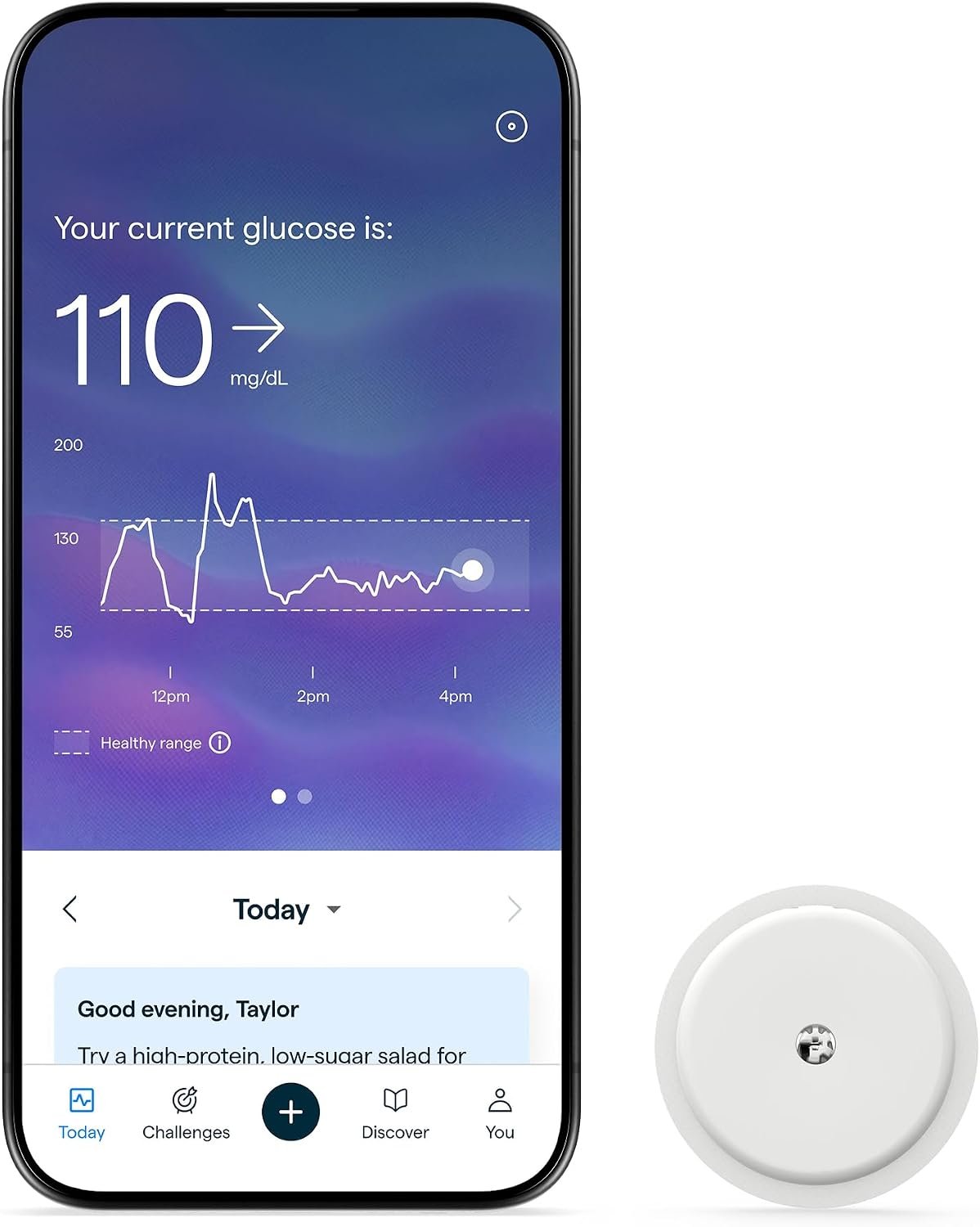
    The Lingo Continuous Glucose Monitor (CGM), described as a system for 24/7 glucose tracking, is designed to help users explore glucose patterns over time. Rather than providing only a single measurement, a continuous glucose monitoring system can collect readings at regular intervals and present trends through a compatible digital interface. This may help users observe how their glucose levels change in connection with daily habits.

    Interest in continuous glucose monitoring has expanded beyond traditional diabetes management. Some adults are interested in learning more about metabolic health, understanding personal responses to meals, or exploring how lifestyle routines relate to glucose patterns. However, the intended users, approved purpose, and recommended interpretation of a particular device matter. A glucose-monitoring product should not automatically be considered suitable for every person or every health goal.

    The Lingo system is associated with wearable glucose-sensing technology and a digital experience for viewing glucose information. Its exact availability, sensor specifications, compatibility requirements, and permitted uses should be confirmed through the current product listing and official manufacturer information. These details can change, and the product title alone does not establish every technical or regulatory specification.

    This guide explains how continuous glucose monitoring works, the general features associated with the Lingo CGM, how glucose data may be used in everyday routines, and what prospective users should consider before choosing a wearable glucose sensor. It also discusses important limitations, including the difference between tracking glucose trends and diagnosing or treating a medical condition.

    Understanding Continuous Glucose Monitoring

    A continuous glucose monitor is a system that measures glucose-related information using a small sensor worn on the body. Many CGM systems use a sensor placed just beneath the skin to estimate glucose levels in the interstitial fluid, which surrounds cells. This is different from measuring glucose directly in a drop of blood.

    Because glucose moves between the bloodstream and interstitial fluid, readings from a CGM may not match a finger-prick blood glucose measurement at every moment. A difference can be particularly noticeable when glucose levels are changing quickly, such as after eating or during exercise.

    CGM systems collect measurements over time and use them to create a picture of glucose patterns. Depending on the system, information may be displayed through a smartphone application or another compatible reader. Users may be able to review current readings, graphs, and changes over time, subject to the product’s specific functions.

    The phrase “24/7 glucose tracking” describes the general purpose of continuous monitoring. It should not be interpreted as a guarantee that a sensor will work without interruption under every condition. Sensor wear periods, data transmission, phone compatibility, connection requirements, and other limitations depend on the particular system.

    A CGM is also not a complete measure of overall health. Glucose patterns are only one part of a much broader picture that can include medical history, nutrition, physical activity, sleep, medications, and other factors. Interpreting glucose data without context can lead to inaccurate conclusions.

    Key Features of the Lingo Continuous Glucose Monitor

    The following sections describe the main characteristics of continuous glucose monitoring and considerations relevant to a product such as Lingo. Exact specifications for the Lingo system should be checked against the current Amazon listing and official manufacturer documentation.

    1. Continuous Glucose Tracking

    The central purpose of a continuous glucose monitor is to provide repeated glucose-related measurements over a period of time.

    A traditional finger-prick test gives information about glucose at the moment the sample is taken. A CGM can provide a sequence of readings, helping users observe how glucose changes rather than relying on isolated measurements.

    This time-based information may be useful for identifying broad patterns. For example, a user might notice that readings tend to change after a particular meal or during a certain part of the day. However, a pattern observed on one occasion does not necessarily establish a consistent response.

    The Lingo product is marketed around continuous glucose tracking, but prospective users should confirm the current sensor duration, measurement frequency, and any requirements for data synchronization. These are product-specific details and should not be inferred from the general term CGM.

    2. A Wearable Sensor

    Wearable sensing is one of the defining characteristics of continuous glucose monitoring. Instead of requiring a user to take a separate finger-prick measurement every time they want a reading, the sensor collects glucose-related data while it is worn.

    Many CGM sensors use a small component placed under the skin, with an external portion attached to the body. The design, placement location, application method, and sensor duration differ among products.

    For the Lingo system, check the manufacturer’s instructions for the approved placement area, application procedure, wear period, and skin-care recommendations. Do not assume that all CGMs use the same sensor design or placement requirements.

    The sensor should be applied and removed according to the instructions provided with the specific product. If the application process causes unexpected pain, significant irritation, or another concerning reaction, users should follow the manufacturer’s guidance and seek appropriate medical advice when necessary.

    3. Digital Glucose Information

    Continuous glucose monitoring is often paired with a digital interface that organizes sensor readings into a format users can understand.

    Depending on the product, the interface may display a current glucose estimate, a graph showing changes over time, or summaries of patterns. Some systems also provide contextual information or educational guidance, although the exact functions vary.

    A digital interface can make a stream of measurements easier to explore. Rather than looking at individual values in isolation, users may be able to review how readings change throughout the day.

    Check the official Lingo documentation to establish which application features are included, whether a compatible smartphone is required, and which operating systems and phone models are supported.

    It is also important to understand that an application can organize information without explaining every possible cause of a glucose change. A graph may show that glucose increased after a meal, but it cannot necessarily determine why that happened or whether the response is medically significant.

    4. Tracking Patterns Over Time

    A major distinction between continuous monitoring and occasional testing is the ability to examine trends.

    For example, glucose readings may change at different times of day, after different meals, or around periods of physical activity. Observing these changes over several days may help a user develop questions about their routine.

    However, glucose responses are influenced by multiple variables. Meal composition, portion size, recent activity, stress, sleep, illness, medications, and individual physiology can all affect glucose-related measurements.

    For this reason, tracking patterns is generally more informative when users avoid drawing conclusions from a single reading or isolated event. A repeated observation may be worth discussing with a qualified healthcare professional, particularly if it raises concerns about health.

    The Lingo system’s specific reporting and trend-analysis features should be confirmed through the current product information.

    5. Potential Integration With Everyday Routines

    A wearable glucose sensor may appeal to adults who want to explore how their daily routines relate to glucose patterns.

    Someone might be interested in comparing the timing of meals, noting when physical activity occurs, or observing whether a change in schedule coincides with different readings. These observations can support general self-awareness, provided they are interpreted carefully.

    The purpose should not be to treat every fluctuation as a problem. Glucose changes throughout the day are part of normal physiology, and a rise after eating is not automatically evidence of poor health.

    A tracking system can provide information, but it does not replace a balanced approach to nutrition, physical activity, sleep, or professional healthcare when needed.

    6. Sensor Wear and Practical Convenience

    A wearable CGM can reduce the need to perform separate manual tests for every observation, depending on the device and its intended use. That may make it easier for some users to collect information across normal daily activities.

    Practical convenience depends on sensor attachment, wear duration, comfort, application requirements, and the user’s routine. Some people may find a wearable sensor easy to incorporate into their day, while others may prefer less frequent monitoring.

    The exact wear period and any limitations on bathing, swimming, exercise, or other activities should be confirmed through the Lingo manufacturer’s instructions. Do not assume that a sensor is waterproof or suitable for every activity unless the product documentation explicitly supports that use.

    Users should also consider whether they are comfortable wearing a sensor and managing the associated application or data.

    7. Educational Potential

    Glucose data can be a starting point for learning about how the body responds to everyday conditions.

    For instance, someone may use a monitoring period to explore whether meal timing, activity, or sleep patterns coincide with changes in glucose readings. A structured approach can help turn a collection of measurements into useful questions.

    However, glucose monitoring should not be treated as a competition to achieve the lowest possible reading or as a reason to avoid entire food groups without medical guidance. The meaning of a reading depends on the individual and the context in which it was measured.

    If the data raises concerns, a healthcare professional can help determine whether further evaluation is appropriate. A consumer-oriented monitoring system should not be assumed to provide a diagnosis simply because it generates detailed graphs.

    How the Lingo CGM Can Be Used

    The appropriate use of a continuous glucose monitor depends on its intended purpose, the user’s health circumstances, and the manufacturer’s instructions. The following examples describe general ways adults may explore glucose information, rather than guaranteeing that every function is available in the Lingo system.

    1. Exploring Responses to Meals

    Food is one factor that can influence glucose levels. After a meal containing carbohydrates, glucose often rises as the body digests food and absorbs glucose into the bloodstream.

    A continuous monitor may help users observe the timing and general pattern of these changes. For example, someone might compare readings after meals eaten at different times or notice that meals with different compositions are associated with different glucose patterns.

    These observations should be approached carefully. A single meal cannot establish a reliable personal response, and two meals may differ in portion size, preparation, activity before eating, or other factors.

    Glucose response is also not a complete measure of whether a food is nutritious. Foods provide different combinations of fiber, protein, fats, vitamins, minerals, and other nutrients. A food should not automatically be considered unhealthy because a glucose rise follows it.

    For balanced nutrition decisions, consider overall dietary quality and individual needs rather than focusing exclusively on one measurement.

    2. Observing Physical Activity Patterns

    Physical activity can influence how the body uses glucose. The direction and timing of changes depend on the type, intensity, and duration of exercise, as well as the individual’s physiology, recent meals, and other factors.

    A user might observe glucose-related readings around a walk, cycling session, or other routine activity. Over time, this may help them understand that glucose patterns can change during and after movement.

    However, CGM data should not be used as the sole guide for exercise safety. People with diabetes, those taking glucose-lowering medication, and individuals with a history of hypoglycemia may require specific monitoring and treatment instructions from their healthcare team.

    If exercise is associated with symptoms such as shakiness, confusion, dizziness, or unusual weakness, stop the activity and follow appropriate medical guidance. A sensor reading should not override symptoms or established safety instructions.

    For people without a diagnosed glucose-related condition, normal changes around activity should not automatically be interpreted as a problem.

    3. Learning About Daily Timing

    Glucose patterns may vary over the course of a day. Meal timing, sleep schedules, work routines, physical activity, and other factors can all contribute to variation.

    A continuous monitoring period may help users notice when readings tend to change or whether similar patterns appear on different days.

    For example, someone might record when meals occur and compare that information with the corresponding glucose graph. This can be more informative than attempting to remember what happened several hours earlier.

    Even so, a graph cannot establish the cause of a change by itself. If a pattern seems unusual or concerning, a qualified healthcare professional can help determine whether it needs further investigation.

    4. Considering Sleep and Overnight Patterns

    Some users may be interested in observing glucose-related measurements during the night. Continuous monitoring can provide information across periods when a person is asleep, depending on sensor performance and the product’s features.

    Nighttime readings can be affected by several factors, and sensor-related limitations may also influence the data. For example, pressure on a sensor during sleep can affect some CGM systems, although the exact behavior varies by product.

    Do not assume that every overnight fluctuation indicates a medical problem. If readings appear repeatedly unusual, or if symptoms occur, discuss the information with an appropriate healthcare professional.

    People who use CGMs for diabetes management should follow their prescribed monitoring plan and should not replace established clinical instructions with general consumer guidance.

    5. Supporting General Lifestyle Reflection

    A CGM can be one source of information for people interested in understanding their everyday routines. It may help them ask questions about how sleep, activity, meal timing, and other habits coincide with glucose patterns.

    A useful approach is to observe trends without immediately changing several lifestyle factors at once. Making many changes simultaneously can make it difficult to understand what may have influenced a particular pattern.

    It is also important to avoid rigid rules based on individual readings. A glucose graph is not a complete measure of metabolic health, and a single number does not determine whether a person’s overall lifestyle is healthy.

    For significant changes to diet, exercise, or medication, appropriate professional advice may be needed, especially for people with existing medical conditions.

    6. Discussing Patterns With a Healthcare Professional

    If glucose data raises a concern, a healthcare professional can help determine whether it has clinical significance.

    A user may choose to bring relevant readings, notes about symptoms, and information about meals or activity to an appointment. This context can be more useful than presenting an isolated graph without explanation.

    The clinician may consider other factors, recommend a validated laboratory test, or determine that no further investigation is necessary. The appropriate next step depends on the individual’s circumstances.

    A consumer-oriented CGM should not be used to diagnose diabetes or another medical condition unless the device has been specifically authorized for that purpose and is used according to its instructions.

    Who May Find the Lingo CGM Relevant?

    Adults Interested in Personal Health Data

    Some adults enjoy learning about patterns in their daily routines and may be interested in adding glucose-related information to that picture.

    A wearable monitor may provide another source of data to consider alongside sleep, activity, and nutrition. However, the information should be treated as one part of a broader understanding of health rather than as a definitive score.

    Before using a CGM for general wellness purposes, confirm that the product’s intended use, availability, and requirements match your circumstances.

    People Exploring Nutrition Habits

    Adults who want to understand how meal timing and food composition relate to glucose patterns may find continuous data informative.

    The important distinction is between observation and diagnosis. A glucose response can vary from day to day, and the size of a rise alone does not establish whether a meal is appropriate or whether a person has a medical condition.

    A balanced dietary approach should consider the full nutritional value of food, personal preferences, health needs, and professional advice where appropriate.

    People Interested in Activity and Routine Patterns

    Individuals who track walking, exercise, or daily schedules may be interested in comparing those activities with glucose-related information.

    Such comparisons can help identify questions worth exploring, but they do not necessarily reveal cause and effect. Changes may reflect several influences at once.

    Anyone using glucose data to guide exercise or manage a diagnosed condition should follow appropriate clinical advice.

    People Seeking Diabetes Management Tools

    Continuous glucose monitors can be important tools for many people with diabetes, but suitability depends on the particular device and its approved indication.

    A consumer-oriented product should not automatically be considered interchangeable with a medical CGM prescribed or recommended for diabetes management. Features, alerts, accuracy requirements, treatment guidance, and regulatory status can differ.

    People with diabetes should confirm whether the Lingo system is appropriate for their specific needs with a healthcare professional. They should not replace a prescribed glucose-monitoring system or treatment plan without medical guidance.

    People Who Prefer Wearable Technology

    Some users are comfortable wearing health-related sensors and reviewing information through a smartphone application. Others may find the physical sensor, application requirements, or ongoing data collection inconvenient.

    Comfort and willingness to use the system consistently are important practical considerations. A device is not useful simply because it collects detailed information; the user also needs to understand its limitations and decide whether the data supports a meaningful goal.

    Who Should Seek Medical Guidance First?

    People who are pregnant, have diabetes, take medication that can affect glucose, experience symptoms suggestive of low or high blood glucose, or have another relevant medical condition should seek appropriate professional guidance before relying on a consumer-oriented CGM.

    The same applies to anyone considering substantial changes to medication, nutrition, or exercise based on sensor data.

    A healthcare professional can help determine whether monitoring is appropriate, which measurements are needed, and how results should be interpreted.

    Important Things to Consider Before Choosing the Lingo CGM

    1. Confirm the Intended Use

    Not every continuous glucose monitor is designed for the same purpose. Some are intended for diabetes management, while other products may be marketed for general wellness or personal insight.

    The exact intended use and regulatory status of the Lingo system should be verified through official manufacturer documentation and relevant regulatory information.

    Do not assume that a product intended for general wellness can replace a medical device used to guide treatment. Likewise, do not assume that every CGM feature is available to every user or in every country.

    If you need glucose monitoring for a diagnosed condition, confirm the product’s suitability with your healthcare professional before making a change.

    2. Understand Interstitial Glucose Readings

    Many CGMs measure glucose in interstitial fluid rather than directly in blood. As a result, readings can differ from finger-prick measurements, especially during periods of rapid change.

    This difference is not necessarily a sign that the sensor is malfunctioning, but it is important when interpreting results.

    Follow the manufacturer’s instructions regarding unexpected readings, symptoms, and when another measurement may be required. If a reading does not match how you feel, or if the device indicates a problem, follow the safety guidance supplied with the product.

    Do not rely on a consumer sensor alone to make urgent medical decisions.

    3. Review Accuracy and Limitations

    No measurement system is perfectly accurate under every condition. CGM performance can vary with sensor placement, wear conditions, signal quality, and other factors.

    Check the current Lingo documentation for the manufacturer’s stated performance information, limitations, and instructions for handling questionable readings.

    Avoid interpreting a single unusual value as definitive evidence of a health problem. If repeated readings appear abnormal, seek professional advice rather than attempting to diagnose the cause independently.

    4. Check Sensor Wear Duration and Replacement Requirements

    Wearable glucose sensors have a specified wear period. The duration and replacement procedure vary by product.

    Before choosing the Lingo system, verify how long each sensor is intended to be worn, whether replacement sensors are required, and how the application and removal process works.

    The practical implications may include planning sensor changes around travel, work, exercise, or other routines. Users should not extend the sensor’s use beyond the manufacturer’s instructions.

    Also check whether the product listing refers to one sensor or a package containing multiple sensors. Confirm the actual package contents rather than relying on the product title alone.

    5. Confirm Smartphone Compatibility

    Some CGM systems rely on a compatible smartphone and application to display or synchronize readings.

    Check the current Lingo requirements for supported phone models, operating-system versions, Bluetooth or other connection requirements, and application availability in your region.

    An older phone may not support the required software, and application functions can vary by country or product version.

    If the monitoring experience depends on a smartphone, make sure your device meets the stated requirements before choosing the system.

    6. Consider Skin Sensitivity and Adhesive Comfort

    Wearable sensors are attached to the skin, often with an adhesive. Some users may experience irritation, itching, redness, or discomfort.

    Review the manufacturer’s skin-preparation and removal instructions. Do not apply the sensor to damaged or irritated skin unless the product instructions or a healthcare professional indicate that doing so is appropriate.

    If significant irritation develops, follow the manufacturer’s guidance and seek medical advice when necessary. Anyone with a history of adhesive sensitivity may wish to discuss the suitability of a wearable sensor before use.

    7. Check Activity and Water-Exposure Limits

    Daily activities such as exercise, showering, swimming, and sweating can affect wearable devices differently.

    The exact water-resistance rating and activity restrictions for the Lingo sensor should be confirmed through its official documentation. Do not assume that a sensor is suitable for swimming or prolonged water exposure simply because it is wearable.

    Follow instructions about protecting the sensor during activity and replacing it if it becomes detached or damaged.

    8. Protect Personal Health Information

    Glucose data is personal information. Depending on the system, readings may be stored in an application, synchronized with online services, or shared through specific features.

    Review the manufacturer’s privacy policy to understand what information is collected, how it is stored, whether it is shared, and which account settings are available.

    Use a secure account and keep your phone’s software updated. If the application supports data sharing, check which people or services can access the information.

    The ability to collect health-related data makes privacy an important consideration, especially when a product is used over an extended period.

    9. Understand That Glucose Is Only One Health Indicator

    Glucose patterns can provide useful information, but they do not independently establish overall health, fitness, or metabolic status.

    A person can have glucose readings within a particular range and still have other health concerns. Conversely, ordinary fluctuations after eating or exercising do not automatically indicate a problem.

    Nutrition, sleep, activity, blood pressure, cholesterol, medical history, and other factors may also matter, depending on the individual’s circumstances.

    Avoid using a CGM reading as the sole basis for judging a food, setting a restrictive diet, or making major health decisions.

    10. Avoid Making Medication Changes Based on Consumer Data

    Medication decisions should be made with an appropriate healthcare professional. A consumer-oriented CGM should not be used independently to start, stop, or change a prescribed medicine.

    This is particularly important for medicines that affect glucose levels, where incorrect decisions can lead to serious consequences.

    If the readings raise questions about a current treatment plan, discuss the data with the prescribing clinician. Follow existing medical instructions until you receive appropriate guidance.

    11. Verify Current Product and Regional Availability

    Product availability, supported features, software requirements, and permitted uses can differ across countries and change over time.

    Review the current Amazon listing and official Lingo information for the specific version being offered. Confirm that the product can be used in your region and that any required application or support service is available.

    If you are buying from a marketplace listing, pay attention to the exact product version and package contents. Do not assume that every listing offers the same configuration.

    Comparing General Categories of Glucose Monitoring

    Glucose-monitoring tools vary in how they collect readings, how often measurements are available, and what they are designed to support.

    Finger-Prick Blood Glucose Meters

    A traditional blood glucose meter measures glucose using a small blood sample, commonly collected from a fingertip. The user places the sample on a test strip and receives a measurement.

    This approach provides a reading at a specific moment rather than a continuous stream of information. It may be appropriate for people who need occasional measurements or who follow a clinician-directed testing plan.

    Its advantages include a direct measurement of blood glucose and the ability to test when needed, subject to the meter’s instructions. However, it requires a separate test for each measurement and may not show what happened between tests.

    A finger-prick meter and a CGM serve different roles. The appropriate choice depends on medical needs, the intended use of the device, and professional guidance.

    Continuous Glucose Monitors

    CGMs use a wearable sensor to estimate glucose levels repeatedly over time. Depending on the system, the data may be transmitted to a smartphone or reader and presented as readings or graphs.

    This can provide more information about trends than isolated measurements. However, readings may lag behind blood glucose during rapid changes, and sensor performance has specific limitations.

    CGMs differ in their intended users, wear duration, alerts, data-sharing functions, and regulatory status. A product designed for general wellness should not automatically be treated as equivalent to a medical CGM intended for diabetes management.

    Laboratory Blood Tests

    Laboratory tests can measure different aspects of glucose regulation. For example, fasting plasma glucose and the A1C test are commonly used in evaluating diabetes and related conditions when ordered and interpreted appropriately.

    These tests serve a different purpose from continuous consumer monitoring. A CGM may show changes over a relatively short period, whereas certain laboratory tests provide standardized information relevant to clinical assessment.

    A wearable sensor should not be assumed to replace laboratory testing or a medical evaluation. If you are concerned about diabetes or another glucose-related condition, consult a qualified healthcare professional about the appropriate tests.

    General Wellness and Activity Trackers

    Many wellness devices track metrics such as steps, heart rate, sleep estimates, or physical activity. Some may present trends through a smartphone application.

    These devices do not necessarily measure glucose. A smartwatch or activity tracker should not be considered a glucose monitor unless it uses a validated and appropriately authorized measurement system for that purpose.

    A glucose sensor may complement other health information, but different metrics answer different questions. No single consumer device provides a complete assessment of health.

    Frequently Asked Questions

    1. What is the Lingo Continuous Glucose Monitor?

    The Lingo Continuous Glucose Monitor is a wearable glucose-tracking product designed to provide glucose-related information over time. The exact features, sensor specifications, and intended use should be confirmed through the current product listing and official manufacturer documentation.

    2. What does 24/7 glucose tracking mean?

    The phrase generally refers to a system that collects glucose-related measurements repeatedly throughout the day and night while the sensor is being worn and functioning as intended.

    It does not guarantee uninterrupted readings under every condition. Sensor wear limits, connection requirements, and other product-specific restrictions may apply.

    3. Does a CGM measure blood glucose directly?

    Many CGMs measure glucose in interstitial fluid rather than directly in blood. Because glucose moves between these compartments, readings may differ, particularly when glucose levels are changing quickly.

    Follow the device instructions for interpreting readings and responding when the data does not match symptoms.

    4. Can the Lingo CGM diagnose diabetes?

    Do not assume that a consumer-oriented CGM can diagnose diabetes. The product’s intended use and regulatory status should be confirmed through official documentation.

    If you are concerned about diabetes or another glucose-related condition, consult a healthcare professional about appropriate clinical testing.

    5. Can a CGM help users understand responses to food?

    Continuous monitoring may help users observe glucose patterns that occur after meals. However, an individual response can be affected by portion size, meal composition, activity, sleep, and other factors.

    A glucose rise after eating does not automatically mean that a food is unhealthy. Dietary decisions should consider overall nutrition and individual needs.

    6. Is the Lingo system suitable for people with diabetes?

    Suitability depends on the product’s approved purpose and the individual’s medical needs. Do not assume that a consumer-focused glucose monitor can replace a CGM prescribed or recommended for diabetes management.

    People with diabetes should confirm whether the Lingo system is appropriate with their healthcare professional and continue following their established monitoring and treatment instructions.

    7. How long can the sensor be worn?

    The intended wear period depends on the specific product. Check the current Lingo documentation for the approved duration, replacement process, and instructions for dealing with a sensor that detaches or stops working.

    Do not extend the wear period beyond the manufacturer’s instructions.

    8. Does the system require a smartphone?

    Some continuous glucose monitoring systems use a compatible smartphone application to display and manage readings. Requirements differ by product.

    Check the current Lingo compatibility information for supported phone models, operating systems, connection requirements, and regional application availability.

    9. Can exercise affect glucose readings?

    Yes. Physical activity can influence glucose levels, but the direction and timing of changes vary depending on the type of exercise, intensity, recent meals, and individual physiology.

    People who use glucose monitoring for a medical condition should follow their healthcare team’s advice on exercise and glucose management.

    10. Are glucose fluctuations always a sign of a problem?

    No. Glucose levels naturally change in response to food, activity, and other physiological processes. A single rise or fall does not necessarily indicate a medical condition.

    Repeated unusual patterns, concerning symptoms, or readings that conflict with how you feel should be addressed according to the device’s instructions and, when appropriate, discussed with a healthcare professional.

    11. What should I check before choosing the Lingo CGM?

    Review the current listing and official manufacturer information for intended use, sensor duration, application requirements, supported smartphones, placement instructions, activity restrictions, and package contents.

    Consider whether the product is appropriate for your health goals and whether you need medical-grade glucose monitoring rather than a consumer-oriented wellness system.

    12. How should glucose data be interpreted?

    Glucose data should be interpreted in context. Meal timing, physical activity, sleep, stress, medication, illness, and sensor limitations can all influence the readings.

    Avoid making major health decisions based on a single value or an isolated graph. If you have concerns about glucose regulation, a qualified healthcare professional can help determine what the information means and whether further testing is needed.

    Conclusion

    The Lingo Continuous Glucose Monitor is designed around the idea of wearable glucose tracking, giving users a way to explore glucose-related patterns over time rather than relying solely on individual measurements. For adults interested in understanding how daily routines coincide with glucose changes, continuous monitoring may offer an additional source of information.

    Its practical usefulness depends on the exact product features, intended use, sensor requirements, smartphone compatibility, and the user’s goals. Before choosing the system, verify the current specifications and read the official instructions carefully.

    It is equally important to understand the limitations of glucose monitoring. CGM readings are estimates that can differ from blood glucose measurements, and a graph cannot independently diagnose a medical condition or establish overall health. Food, exercise, sleep, medication, and other factors may all contribute to changes in readings.

    If you need glucose monitoring for diabetes management or another medical reason, consult a qualified healthcare professional to determine which device and testing approach are appropriate. Do not replace prescribed monitoring or change medication based on consumer CGM data without medical guidance.

    For general educational use, a thoughtful approach is to focus on repeated patterns, consider the context surrounding each measurement, and avoid drawing conclusions from isolated readings.

    You can check more details on Amazon here:

    As an Amazon Associate, we earn from qualifying purchases.
  • Super Suction Mount for Automotive Tuners and Programmers: Features, Uses, and Buying Considerations

    Super Suction Mount for Automotive Tuners and Programmers: Features, Uses, and Buying Considerations

    Introduction

    Modern vehicles increasingly rely on electronic tools to help drivers and automotive enthusiasts monitor engine information, review diagnostic data, and manage vehicle settings. Devices such as handheld programmers, performance tuners, and automotive monitoring displays can provide access to information that may be useful during maintenance, troubleshooting, or authorized vehicle tuning. However, these devices are most practical when they can be positioned securely and conveniently inside the vehicle.

    A dedicated mounting solution helps address this challenge. Rather than leaving an electronic tuner loose on a seat or holding it while checking information, a suitable mount can provide a designated viewing position. This can help keep the cabin organized and make the device easier to access when the vehicle is parked or when a passenger needs to view information.

    The Super Suction Mount listed under the ChargerCity brand is intended for use with a range of automotive tuners and programmers. Its product title references devices from brands and product families such as Edge Products Insight, Evolution, Juice, SCT, Cobb Tuning AccessPORT, and KTuner. These products serve different purposes, but many are designed to display vehicle information or support specific automotive tuning and diagnostic functions.

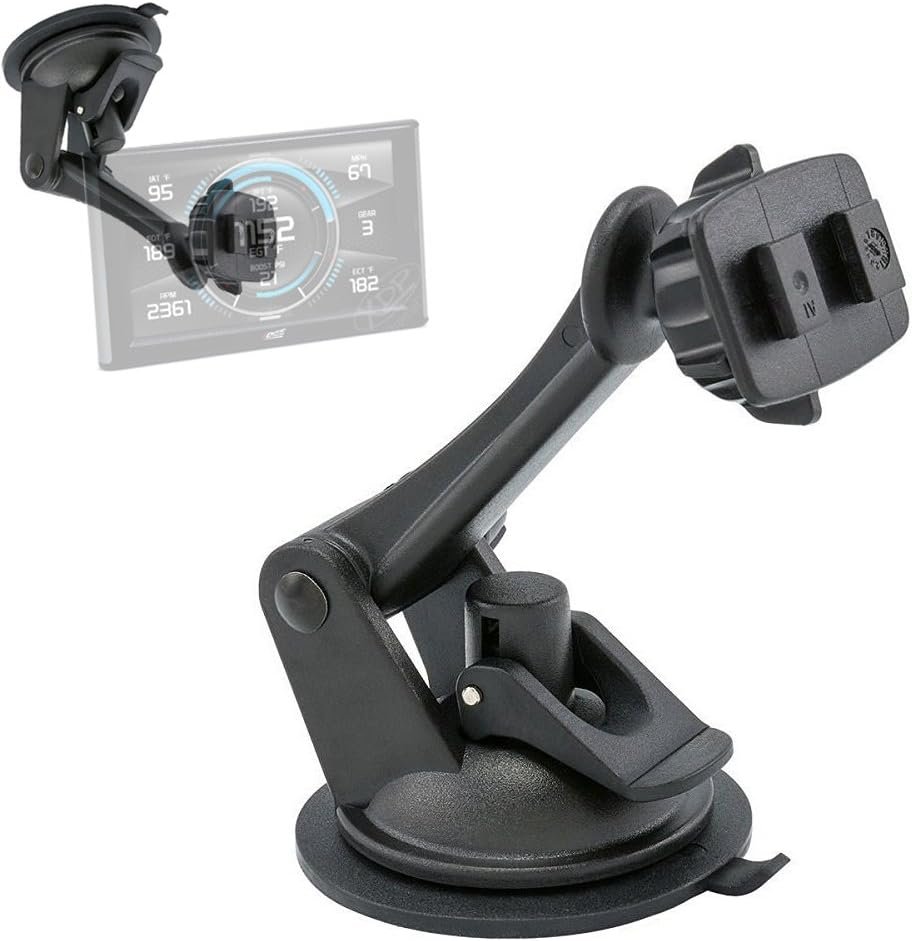
    A suction-based mount generally attaches to a smooth surface using a suction mechanism. Depending on the particular design, the mounting assembly may also include a holder, adjustable joint, or device-specific attachment. The exact construction and included accessories for this ChargerCity model should be verified against the current Amazon listing before purchase.

    Choosing a mount involves more than checking whether a device brand appears in a product title. Physical dimensions, attachment compatibility, surface condition, cabin temperature, vibration, and the intended mounting location can all affect whether the setup is appropriate. A mount that fits one tuner model may not necessarily accommodate every device in the same product family.

    This guide explains the purpose of a suction mount for automotive tuners, common ways it may be used, compatibility questions to consider, and how it compares with other mounting approaches. It also covers installation precautions and vehicle-safety considerations so that the mounting solution can be selected and used responsibly.

    Understanding the Super Suction Mount

    The ChargerCity Super Suction Mount is an automotive accessory intended to hold compatible electronic devices in a selected position inside a vehicle. The product listing identifies a range of tuner and programmer families, suggesting that compatibility with specific handheld automotive electronics is a central part of its intended use.

    Automotive tuners and programmers are not all identical. Some devices focus on engine monitoring, while others can be used for diagnostic functions, data display, or supported changes to vehicle calibration. Their screen dimensions, body shapes, attachment points, and cable arrangements can vary considerably.

    A mounting accessory must account for these differences. A holder designed around one device’s shape may not secure another device correctly, even if both products are used for similar automotive tasks.

    The term suction mount refers to a mounting system that uses suction to attach to a suitable surface. Automotive versions are commonly designed for smooth, nonporous surfaces, although the actual surfaces supported depend on the mount’s construction. Some mounts are intended for windshields, while others may be designed for dashboards or compatible mounting discs.

    The precise attachment surfaces, adjustment range, and mounting hardware supplied with this ChargerCity model should be confirmed through its current listing. The product title alone does not establish every included component or guarantee compatibility with all named devices.

    For a useful buying decision, consider three questions:

    • Does the holder securely accommodate the exact tuner or programmer model?
    • Is there a suitable mounting surface in the vehicle?
    • Can the device be positioned without blocking the driver’s view, interfering with vehicle controls, or creating a loose object that could become hazardous?

    Answering these questions before installation can help prevent compatibility problems and unnecessary repositioning later.

    Key Features and Practical Considerations

    The following sections explain the characteristics commonly associated with suction-based mounts for automotive electronics. Specific construction details should be checked against the current ChargerCity product information.

    1. Suction-Based Attachment

    The defining feature of a suction mount is its method of attachment. Instead of requiring a permanent screw connection to the vehicle, a suction mechanism can attach to a suitable smooth surface.

    This approach may be useful for drivers who want to avoid drilling holes or making permanent modifications to an interior panel. It can also provide flexibility when choosing a position for a tuner or monitoring display.

    However, suction performance depends on several factors. Surface cleanliness, smoothness, temperature, moisture, and the condition of the suction component can influence how well the mount remains attached.

    Textured dashboards, heavily curved panels, porous materials, and surfaces covered with dust or oily residue may not provide a suitable seal. A surface that appears smooth may still have a texture or coating that reduces adhesion.

    Before installation, check the manufacturer’s instructions for approved mounting surfaces. Do not assume that every dashboard or windshield will work equally well.

    A suction attachment should also be inspected periodically. If the mount begins to loosen, shifts under light pressure, or no longer maintains a stable connection, remove the device and correct the problem before using the vehicle.

    2. Compatibility With Selected Automotive Tuners

    The product title references multiple automotive device families, including Edge Products Insight, Evolution, and Juice; SCT X4 and SF4; Cobb Tuning AccessPORT V3; and KTuner 2.0.

    These names identify different product lines rather than one universal device format. Even products from the same manufacturer may differ in dimensions, body shape, mounting points, or accessory requirements.

    Compatibility should therefore be confirmed at the model level. Look for the exact tuner name and generation in the current listing, and compare the holder’s specifications with the device manufacturer’s documentation.

    For example, a holder that accommodates a particular AccessPORT model should not automatically be assumed to fit every device made by Cobb Tuning. Likewise, compatibility with one Edge or SCT product does not establish compatibility with every model in those ranges.

    If a device uses a protective case, a different cable connection, or a modified mounting attachment, check whether that configuration is supported. A holder may fit the bare device but not a thicker aftermarket case.

    Confirming these details helps avoid a situation in which a mount attaches successfully to the vehicle but cannot retain the intended tuner properly.

    3. Positioning an Electronic Display

    One reason to mount an automotive tuner is to establish a consistent viewing position.

    Depending on the device and its functions, a screen may display engine parameters, diagnostic information, supported performance data, or other vehicle-related readings. A suitable mount can keep the display in a predictable location instead of allowing it to move around the cabin.

    The ideal position varies by vehicle. Windshield angles, dashboard height, seat position, steering-wheel layout, and the driver’s normal line of sight all affect where a device can be placed.

    The screen should not obstruct the road view, hide important warning lights, cover mirrors, or interfere with the operation of vehicle controls. A position that works in one car may be unsuitable in another.

    It is also important to distinguish convenient placement from safe operation. Drivers should not interact with a tuner while driving if doing so requires looking away from the road, manipulating controls, or navigating menus. Device setup and configuration should be completed while the vehicle is safely parked.

    4. Adjustable Positioning, Where Supported

    Some automotive mounts include a movable joint or adjustable arm that allows the holder to be tilted or repositioned. Such a design can help users adapt the screen angle to the vehicle’s interior.

    The exact adjustment mechanism and range of motion for this ChargerCity mount should be confirmed from the current product description and photographs.

    If adjustment is available, use it to position the screen so that it can be viewed without obstructing the driver’s forward visibility. The holder should remain stable after adjustment rather than gradually drooping or rotating under the device’s weight.

    Avoid extending a mount farther than necessary. A longer arm can increase leverage on the suction attachment, particularly when the vehicle encounters bumps or vibration.

    Before driving, check that the holder is locked into its intended position and that the tuner does not wobble excessively. If the device shifts during ordinary vehicle movement, reconsider the mounting location or whether the mount is appropriate for that installation.

    5. A Potentially Non-Permanent Installation

    For drivers who prefer not to make permanent changes to the vehicle’s interior, a suction mount may offer an alternative to drilling or using a fixed bracket.

    This can be relevant for leased vehicles, shared vehicles, or cars in which the owner wants to preserve the original dashboard appearance.

    Nevertheless, a suction mount is not guaranteed to leave every surface completely unaffected. Heat, long-term contact, surface coatings, dust, or an unsuitable attachment point may contribute to marks or residue. The outcome depends on the mount and the vehicle’s interior material.

    Follow the product’s installation and removal instructions. Do not use excessive force or sharp tools to detach the suction component, and avoid mounting it over fragile trim, damaged glass, or surfaces that are not approved by the vehicle manufacturer.

    If the vehicle has a special windshield coating, dashboard finish, or sensor area, consult the relevant documentation before selecting a mounting point.

    6. Keeping a Tuner in a Designated Location

    A dedicated holder can help prevent an electronic tuner from being left loose in the cabin.

    Loose devices can slide under seats, fall from the dashboard, or become damaged when they strike other objects. A properly installed holder may reduce this type of movement by keeping the device in a designated position.

    This benefit depends on the mount being suitable for the device and remaining securely attached. A poorly fitted holder can create its own hazard if the tuner detaches during a sudden stop or collision.

    Before driving, check that the device is fully seated and that any retention mechanism is engaged. Make sure cables do not hang near the pedals, steering column, or other moving parts.

    A mounted tuner should not be treated as permanently secured simply because the suction attachment feels firm during initial installation. Periodic inspection remains important, especially in vehicles exposed to high cabin temperatures or frequent vibration.

    7. Compatibility With Different Vehicle Interiors

    Vehicles differ in dashboard shape, windshield angle, trim materials, and the space available around the driver.

    A suction mount may be suitable for one vehicle but inconvenient in another. For example, a steeply angled windshield can affect the position of a holder, while a heavily textured dashboard may not provide an appropriate suction surface.

    Some vehicles also have cameras, sensors, display units, or driver-assistance equipment near the windshield. A mounting accessory must not block or interfere with these systems.

    Before installing the ChargerCity mount, identify a suitable location that follows both the mount manufacturer’s instructions and the vehicle manufacturer’s restrictions. If the intended surface is not explicitly supported, do not assume that the suction mechanism will remain secure.

    The mounting position should also account for passenger comfort, access to controls, airbag deployment zones, and local rules governing objects attached to the windshield.

    How the Super Suction Mount Can Be Used

    A mounting accessory can support several automotive activities when paired with a compatible device and installed in a suitable location. The examples below focus on general applications rather than promising specific functions for every tuner.

    1. Displaying Vehicle Monitoring Information

    Some automotive monitoring devices display information related to engine operation or other vehicle parameters. A suitable mount can help place the screen where the information is easier to reference when the vehicle is parked or when a passenger is responsible for monitoring it.

    For example, an enthusiast may use a compatible display to review supported readings during vehicle maintenance or while checking whether a system is operating as expected.

    The available information depends on the device, vehicle, software, and connection method. The mount itself does not provide diagnostic capability or determine which data the tuner can display.

    Before relying on any displayed reading, consult the device manufacturer’s documentation to understand what the parameter represents and how it should be interpreted. A displayed value is not necessarily a complete diagnosis of a mechanical or electronic problem.

    When the vehicle is moving, drivers should keep their attention on the road. Any adjustment to display settings, menu navigation, or detailed interpretation should take place while safely parked.

    2. Supporting Authorized Tuning Workflows

    Some handheld tuners and programmers are designed to support specific vehicle-calibration tasks. Depending on the device and vehicle, these may involve reading information, preparing a supported calibration, or performing an authorized programming procedure.

    A compatible mount can help provide a designated place for the device when it is not being handled directly. However, the mount does not perform the tuning operation and does not make a device compatible with a vehicle.

    Programming procedures vary significantly by manufacturer and product. Some require a particular connection sequence, stable electrical power, or specific positioning of the device and cables.

    Follow the tuner’s official instructions carefully. If a procedure requires the device to remain connected or be handled in a particular way, the manufacturer’s requirements take precedence over convenience.

    Do not attempt calibration changes without understanding their effects on vehicle operation, emissions compliance, warranty coverage, and applicable regulations.

    3. Organizing an Automotive Diagnostic Setup

    Vehicle maintenance sometimes involves several tools, including a diagnostic device, a cable, a reference guide, and other equipment. A dedicated mount may help keep a compatible display in a consistent position during suitable stationary diagnostic tasks.

    For example, a technician working in a parked vehicle may want a screen positioned where readings can be reviewed without holding the device continuously.

    The setup should be arranged so that cables remain clear of pedals and moving parts. The device should not be positioned where it can interfere with the driver’s seat, steering wheel, airbag deployment, or access to the ignition and other controls.

    The mount should also be removed or repositioned if it obstructs the technician’s work or creates a risk of accidental impact.

    A mounting accessory can improve organization, but it does not replace professional diagnostic procedures, appropriate electrical precautions, or the technical information required for the specific vehicle.

    4. Providing a Consistent Location for a Performance Monitor

    Some enthusiasts use compatible automotive electronics to view supported performance-related information. A mount may help keep such a display in a consistent place, making it easier to locate when checking information while parked.

    Consistency can be useful when the same vehicle is used regularly and the display needs to remain visible without occupying a cup holder or storage compartment.

    However, the mount should not encourage a driver to watch a screen instead of the road. Real-time vehicle information can be distracting, particularly if the display contains multiple values or frequently changing readings.

    Set up the display while parked, keep the screen position outside the driver’s critical sightlines, and follow local restrictions on electronic displays. If the screen cannot be positioned safely, a different mounting approach or a different location may be more appropriate.

    5. Keeping an Electronic Tuner Off the Seats and Floor

    When a tuner is not mounted, it may be placed on a seat, in a cup holder, or in a storage compartment. These locations can be inconvenient, especially if the device is connected to a cable or used regularly.

    A compatible holder may help keep the device in a designated position. This can reduce the need to retrieve it from the floor or move it between storage locations.

    The benefit depends on proper installation and secure device retention. A mount that loosens under vibration can allow the device to fall, potentially causing damage or distraction.

    Before moving the vehicle, confirm that the device is securely held and that the cable is routed safely. If the vehicle is parked on uneven ground or exposed to extreme temperatures, inspect the attachment before relying on it.

    6. Supporting a Mobile Workshop or Shared Vehicle

    Some automotive enthusiasts and technicians use the same tools across more than one vehicle. A suction mount may be useful when the mount can be safely transferred between approved surfaces and the device is compatible with the holder.

    This can be convenient when working on different vehicles, but transferability should not be assumed. Different dashboards and windshields may have different surface conditions, angles, and restrictions.

    Before moving the mount, remove the device and follow the manufacturer’s removal procedure. Inspect the suction component for dirt, wear, or damage before reinstalling it.

    If the mount is used in a shared or customer vehicle, obtain permission before attaching anything to the interior. Check the vehicle’s surface materials and avoid any location that could damage trim or interfere with safety systems.

    7. Helping Keep Cables Organized Around the Display

    An automotive tuner may require a cable for power, vehicle communication, or another supported connection. Depending on the installation, a mount can provide a stable reference point around which the cable can be routed.

    Cable management is important because loose wires can interfere with pedals, steering components, gear selectors, or other controls. A cable that is pulled tight may also place stress on the connector or cause the device to shift.

    Route cables according to the device manufacturer’s instructions. Leave enough slack for normal movement where required, but do not allow excess cable to hang into the driver’s footwell.

    The mount itself should not be used as a cable tie unless its design explicitly supports that purpose. Use appropriate clips or cable-management accessories when necessary.

    Who May Find This Mount Useful?

    Automotive Enthusiasts

    Drivers who use compatible tuners or monitoring devices may appreciate having a dedicated mounting position for their equipment.

    A suitable mount can help organize the interior and make the device easier to locate. The main consideration is whether the holder fits the exact device and can be attached safely in the intended vehicle.

    Enthusiasts should also understand the functions and limitations of their tuner rather than assuming that every device supports the same monitoring or calibration features.

    Owners of Compatible Performance Tuners

    People who own a device from one of the product families named in the listing may consider the mount as a way to position that device in their vehicle.

    The important step is confirming exact model compatibility. A brand name alone is insufficient because product generations and physical designs can differ.

    Review the current mount listing and the tuner’s official documentation before deciding whether the holder is appropriate.

    DIY Vehicle Maintainers

    Drivers who carry out permitted maintenance tasks may use a compatible electronic display as part of their workflow.

    A mount may help keep the screen in a consistent position during stationary checks or other suitable activities. It is not a substitute for a repair manual, diagnostic training, or the correct tools.

    Anyone unfamiliar with the vehicle’s electrical systems should consult reliable technical documentation or seek professional assistance before attempting work that could affect safety or vehicle operation.

    Automotive Technicians

    Technicians who regularly use supported handheld devices may value a mounting solution that keeps a display accessible while leaving their hands free for appropriate tasks.

    However, professional use places greater emphasis on secure attachment, durability, repeatable positioning, and compatibility with the technician’s workflow.

    A consumer suction mount may not be suitable for every workshop environment or vehicle. Consider how frequently it will be moved, the conditions in which it will be used, and whether a more permanent mounting system is required.

    Drivers Who Prefer a Neater Interior

    Some users simply want to avoid leaving electronics loose in the cabin.

    A mount may help establish a consistent place for a compatible tuner, provided that the position is safe and does not obstruct visibility or controls.

    Drivers should not prioritize appearance over safe placement. If no suitable location is available, storing the device securely while it is not in use may be preferable to attaching it in an unsafe position.

    Important Things to Consider Before Choosing the Mount

    1. Verify Exact Device Compatibility

    Compatibility is the first issue to resolve.

    The listing references multiple families of automotive electronics, but the product title does not establish that every version, revision, or accessory configuration is supported. Check the current listing for the exact model name and compare it with the device manufacturer’s specifications.

    Pay attention to physical dimensions, holder shape, attachment points, and whether the device must be used with a specific cradle or adapter.

    If the device is not explicitly listed, ask the seller or manufacturer for confirmation rather than relying on a visual resemblance.

    2. Confirm the Mounting Surface

    Suction mounts generally require a suitable surface to form a stable seal. Surface texture, curvature, cleanliness, and material can affect attachment.

    Read the manufacturer’s installation instructions to determine whether the mount is intended for the windshield, a smooth dashboard, or another approved surface.

    Do not attach the mount to an uneven or porous panel unless the manufacturer confirms that the surface is suitable. Avoid damaged glass, fragile trim, and areas covered with coatings that could interfere with suction.

    Clean the surface using an appropriate method and allow it to dry before installation. Do not use cleaning chemicals that could damage the dashboard or windshield.

    3. Consider Windshield and Dashboard Safety

    A mounting location must not interfere with the driver’s view of the road.

    Objects attached to a windshield can be subject to legal restrictions, and the permitted area may vary by location. Check the rules that apply where the vehicle is registered and driven.

    The mount must not obscure mirrors, warning lights, cameras, sensors, or other safety-related equipment. It should also remain clear of airbag deployment zones and not interfere with access to vehicle controls.

    A dashboard position may be preferable in some vehicles, but only if the surface is compatible and the device can be positioned safely.

    If no suitable location is available, do not force an installation simply to use the mount.

    4. Evaluate Device Weight and Holder Security

    A holder must be capable of retaining the intended device without excessive movement.

    Check any stated weight or device-size limitations in the current listing. The mount’s ability to hold one tuner does not necessarily establish suitability for a heavier device or a device fitted with additional accessories.

    After installation, verify that the holder retains the device securely and that the mounting assembly does not shift under light, controlled pressure. Do not test stability by applying excessive force or by placing yourself in a dangerous position.

    Inspect the assembly before each drive, particularly after removing or repositioning it.

    5. Account for Temperature Changes

    Vehicle interiors can experience significant temperature changes, especially when parked in direct sunlight or during very cold weather.

    Heat may affect suction components, adhesives, plastics, and other mounting materials. Cold conditions can also influence the flexibility of some components or the behavior of the suction seal.

    The operating limits of this particular mount should be confirmed from the manufacturer if the vehicle will be exposed to extreme conditions.

    Avoid assuming that a mount will remain secure indefinitely simply because it held firmly during initial installation. Periodic inspection is important, and the mount should be removed or reinstalled if its attachment weakens.

    6. Understand Vibration and Road Conditions

    Vehicles experience vibration and movement even during ordinary driving. Rough roads, sudden stops, and sharp turns can place additional stress on a mount and its attachment point.

    The weight of the device, the length of any mounting arm, and the condition of the suction surface can influence stability.

    Keep the device as close to the mounting base as the design allows, and avoid unnecessary extension if an adjustable arm is present. Confirm that any joints or locking mechanisms are secured according to the manufacturer’s instructions.

    If the device repeatedly moves or the suction attachment loosens, stop using the setup until the problem is resolved.

    7. Check What Is Included

    A product title may refer to a mount without clearly listing every component included in the package.

    Review the current Amazon description and photographs to confirm whether the product includes the holder, suction base, adjustable hardware, device-specific attachment, or other accessories required for installation.

    Do not assume that a cable, tuner, adhesive disc, or extra adapter is included unless the listing explicitly states so.

    This is especially important when a device requires a specific cradle or mounting interface. A suction base alone may not be sufficient to secure the tuner.

    8. Consider Cable Routing

    A mounted tuner may need to remain connected to a vehicle or power source. Cable routing should be planned before finalizing the mounting position.

    Keep cables away from pedals, steering components, gear selectors, moving mechanisms, and places where passengers might catch their feet or hands.

    Avoid routing a wire across the driver’s direct field of movement. Do not allow a cable to become pinched between trim panels or stretched tightly around a corner.

    If the intended installation cannot be completed without creating a cable hazard, choose a different position or follow the device manufacturer’s alternative installation guidance.

    9. Review Local Regulations and Vehicle Requirements

    Rules about windshield-mounted objects, electronic displays, and driver distraction differ across jurisdictions.

    Before installing a tuner mount, check the rules that apply where the vehicle will be used. Also consider restrictions imposed by the vehicle manufacturer, especially around advanced driver-assistance sensors and airbags.

    Tuning devices may have separate legal considerations depending on how they are used. Certain calibration changes can affect emissions compliance, roadworthiness, warranty coverage, or insurance conditions.

    A mounting accessory does not make a tuning procedure legal or appropriate. Verify the requirements for the vehicle and the intended use independently.

    10. Follow the Manufacturer’s Installation Instructions

    The mount’s current instructions should take priority over generic installation advice.

    Use the specified cleaning and attachment procedure, ensure the surface is suitable, and allow any required setting time before attaching the device. If the instructions call for a particular locking action, make sure it is completed.

    Avoid modifying the mount or combining it with unapproved adapters unless the manufacturer confirms that the configuration is suitable.

    If the suction mechanism, holder, or adjustment joint is damaged, discontinue use until the affected component is replaced or the manufacturer provides an appropriate solution.

    Comparing General Categories of Automotive Device Mounts

    Suction mounts are one of several ways to position an electronic tuner or display inside a vehicle. The alternatives differ in installation method, flexibility, and compatibility.

    Suction-Cup Mounts

    Suction mounts attach to suitable smooth surfaces and may offer flexibility in choosing a position without drilling into the vehicle.

    They can be useful for temporary installations or situations where permanent modifications are undesirable. However, attachment reliability depends on surface compatibility, temperature, cleanliness, and the condition of the suction component.

    They may be less suitable for heavily textured dashboards or surfaces that cannot maintain a seal.

    The ChargerCity product discussed in this guide belongs to the suction-mount category, but its exact installation requirements should be confirmed through the current listing.

    Adhesive Dashboard Mounts

    Adhesive mounts use an adhesive layer or mounting disc to attach to an approved surface.

    Depending on the design, they may provide a stable installation on certain dashboards where suction does not work well. Some adhesive mounts are intended to remain in place for long periods.

    Their main consideration is removal. Adhesive residue, surface discoloration, or damage may occur if the mount is removed incorrectly or attached to an unsuitable material.

    Check the adhesive manufacturer’s instructions and the vehicle’s interior-care guidance before installation. An adhesive mount is not automatically more secure or more appropriate than a suction mount in every vehicle.

    Vent-Mounted Holders

    Vent-mounted holders attach to parts of the vehicle’s air vents.

    They can provide a position close to the dashboard and may avoid attaching anything to the windshield. However, their suitability depends on vent design, the device’s weight, and the way the holder distributes force.

    A vent mount can obstruct airflow or place stress on delicate vent fins. It may also be unsuitable for devices that are too heavy for the mounting mechanism.

    Before selecting one, confirm that the vent and holder are compatible and that the setup does not interfere with vehicle controls.

    Fixed Bracket Mounts

    Fixed brackets may attach to a dedicated mounting point or use screws and other hardware.

    They can be appropriate for installations that need a more permanent position, particularly when a vehicle has a compatible factory mounting location or an approved accessory bracket.

    The trade-off is that installation may require tools, additional hardware, or modifications to the vehicle interior. A fixed bracket may also be less convenient to move between vehicles.

    Choose this category when the installation requirements justify a more permanent arrangement and the bracket is designed for the vehicle and device.

    Device-Specific Cradles

    A device-specific cradle is designed around the physical dimensions and attachment points of a particular electronic unit.

    This approach can help provide a closer fit than a general-purpose holder, but it may require a separate base or mounting arm. Compatibility is typically narrower because the cradle is intended for particular models.

    Some setups combine a device-specific cradle with a suction base, dashboard mount, or fixed bracket. In those cases, both parts must be compatible.

    When evaluating a mounting system, confirm that the holder and base are included and that they work together with the exact tuner model.

    Frequently Asked Questions

    1. What is the Super Suction Mount for automotive tuners?

    It is a mounting accessory intended to hold compatible automotive electronic devices in a selected position inside a vehicle. The product title references several tuner and programmer families, including products from Edge, SCT, Cobb Tuning, and KTuner.

    The exact holder design, included components, and compatibility list should be confirmed through the current Amazon listing.

    2. Which devices are listed as compatible?

    The product title references Edge Products Insight, CT, CTS 2, CT2, CT3, CTS2, CTS3, Evolution, and Juice families, as well as SCT X4, SF4, 7015, 7416, and 7215; Cobb Tuning AccessPORT V3; and KTuner 2.0.

    Because product names and generations can overlap or differ in physical design, confirm the exact model in the current listing before purchasing. The presence of a family name does not guarantee that every version is supported.

    3. Can this mount be used with any automotive tuner?

    No. Compatibility depends on the holder’s shape, dimensions, retention method, and any device-specific attachment.

    A tuner from an unlisted product family may not fit securely even if it performs a similar function. Check the mount’s current compatibility information and compare it with the device manufacturer’s specifications.

    4. Does the mount attach to a windshield?

    The product is described as a suction mount, but the precise approved mounting surfaces should be confirmed from the current listing and installation instructions.

    Some suction mounts are intended for windshields, while others may support particular smooth dashboard surfaces. Do not assume that every surface is suitable.

    Also verify local restrictions on windshield-mounted objects and ensure that the installation does not obstruct the driver’s view.

    5. Can it be installed without drilling holes?

    Suction mounts are generally intended to attach without drilling, which can be useful for temporary or non-permanent installations.

    However, the exact installation procedure for this model should be checked. The suction component must be used on an approved surface, and some setups may require additional compatible hardware.

    Avoid modifying the vehicle interior or the mount unless the manufacturer confirms that the change is appropriate.

    6. Will the mount stay attached in hot weather?

    No mount should be assumed to remain secure under all temperature conditions. Heat can affect suction components and other materials, while cold weather may also influence flexibility and attachment.

    Check the manufacturer’s stated operating limits if available. Inspect the mount regularly, especially after the vehicle has been parked in direct sunlight or exposed to significant temperature changes.

    If the attachment weakens, remove the device and reinstall the mount according to the manufacturer’s instructions.

    7. Can the mount be moved between vehicles?

    It may be possible to transfer a suction mount between vehicles, provided that each vehicle has a suitable mounting surface and the manufacturer permits repeated installation.

    Before moving it, remove the device, inspect the suction component, and follow the specified removal and reattachment procedure.

    Different dashboards and windshields may have different textures, angles, or coatings, so a mount that works in one vehicle may not be suitable for another.

    8. Does the mount include an automotive tuner?

    The product is described as a mount, not as a tuner or programmer. Do not assume that the electronic device, its cables, or additional accessories are included unless the current listing explicitly says so.

    Review the package contents carefully before ordering.

    9. Can the device be operated while driving?

    The mounting position may make a device visible, but that does not mean it is safe to interact with it while driving.

    Configure the device while parked and follow applicable laws and the device manufacturer’s guidance. Avoid navigating menus, changing settings, or concentrating on detailed readings while the vehicle is moving.

    A mount should support a safe installation, not encourage distracted driving.

    10. What should I check before choosing this ChargerCity mount?

    Confirm the exact tuner model, holder compatibility, included mounting components, supported attachment surfaces, and any stated weight or size limitations.

    Then identify a suitable position in the vehicle that does not obstruct visibility, interfere with controls, or block safety equipment. Consider temperature exposure, vibration, and cable routing as well.

    Review the current listing and installation instructions rather than relying only on the product title.

    11. Can a suction mount damage a dashboard?

    The outcome depends on the surface material, the mount’s design, the duration of attachment, and the removal method.

    Some surfaces may develop marks or residue, while textured or porous materials may not provide a suitable seal. Follow the manufacturer’s instructions and the vehicle maker’s guidance for interior surfaces.

    Do not attach the mount to fragile trim or a surface that has not been approved for this purpose.

    12. Is this mount suitable for professional workshop use?

    It may be suitable for certain stationary tasks if the device and mounting surface are compatible, but professional environments can involve more frequent movement and demanding conditions.

    Consider the frequency of use, expected vibration, temperature exposure, and the need for repeatable positioning. A more permanent or device-specific mounting system may be appropriate for some workflows.

    Confirm the mount’s limitations before using it in a setting where device movement could interfere with the task.

    Conclusion

    The ChargerCity Super Suction Mount is intended to provide a mounting solution for selected automotive tuners and programmers, including device families from Edge Products, SCT, Cobb Tuning, and KTuner. For owners of compatible equipment, a dedicated holder may help keep the device in a consistent position, reduce loose items in the cabin, and organize a vehicle-monitoring or diagnostic setup.

    Its suitability depends on the exact tuner model, the holder’s dimensions and retention method, the mounting surface, and the conditions in which it will be used. Compatibility should be verified at the model level, and a suction mount should be installed only on an approved surface.

    Safety should remain the priority. The device must not obstruct the driver’s view, interfere with controls or airbags, or create cable hazards. The mount should be inspected regularly, particularly after temperature changes or repositioning. Any interaction with tuner menus or detailed readings should be performed while safely parked.

    Before selecting this product, review the current Amazon listing for the confirmed compatibility information, package contents, and installation requirements. Compare those details with your tuner and vehicle rather than assuming that a long list of product names guarantees universal fit.

    You can check more details on Amazon here

    As an Amazon Associate, we earn from qualifying purchases.